
 A journalist of fifty years standing offers a personal and independent assessment of the often troubled relationship between public figures and the British news media.
My aim is to try to monitor events and issues affecting the ethics of journalism and the latest developments in the rapidly-changing world of press, television, radio and the Internet.
Expect too an insight into the black arts of media manipulation. So spin-doctors, Beware!
 A vicious and highly personalised attack on teachers’ trade union leaders for daring to demand stricter safety conditions ahead of the phased re-opening of primary schools in England was another unpleasant reminder of the hateful coverage that has become so entrenched in much of daily press reporting.
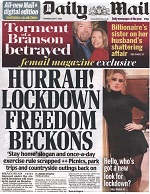 Amid the devastation of the coronavirus crisis and a looming economic catastrophe, Boris Johnson and his communication advisers remain wedded to media routines ill-suited to a national emergency.
 Rarely has a peacetime Prime Minister struggling with a national emergency been as fortunate as Boris Johnson in being spared the broad sweep of hostile coverage that proved so debilitating to his predecessors.
 For a critical two-week period, Boris Johnson’s near-death escape from the coronavirus infection topped the news agenda diverting the focus of much of the daily coverage away from vital, searching questions that needed to be asked about the government’s handling of the pandemic.
 BBC bashing by Boris Johnson’s closest aides and supporters has already been knocked on the head by the deepening coronavirus crisis and the government’s desperate need to maximise every possible means of communicating with the public.